Democracy Now! (Medienpräsenz)

13:27

Nach Angaben der Trump-Regierung haben die Vereinigten Staaten seit Beginn des amerikanisch-israelischen Krieges gegen das Land 11.000 Ziele im Iran angegriffen. Kritiker bezweifeln die Genauigkeit des Maven-Systems, des künstlichen Intelligenzsystems, das das Militär zur Beschleunigung der Zielidentifizierung einsetzt.


The Trump administration says the United States has struck 11,000 targets in Iran since the U.S.-Israeli war on the country began. Critics have questioned the accuracy of the Maven system, the artificial intelligence system used by the military to speed up the process of identifying targets.

15:49

In einem großen Sieg für Umweltschützer haben sich der Chemieriese DuPont und seine verbundenen Unternehmen darauf geeinigt, zwei Milliarden US-Dollar für die Sanierung von vier Industriestandorten in New Jersey zu zahlen, die mit „Forever Chemicals“ oder PFAS kontaminiert sind, die nachweislich in allem vorhanden sind, vom Regenwasser bis zur Muttermilch. Es ist die dritte derartige Einigung, die New Jersey in weniger als drei Jahren erreicht hat, und markiert eine wachsende Bewegung gegen den weit verbreiteten Einsatz von PFAS, einer Klasse von Chemikalien, die immer noch zur Herstellung unzähliger Industrie- und Konsumgüter verwendet werden, obwohl sie seit über einem halben Jahrhundert mit Krebs und Geburtsfehlern in Verbindung gebracht werden. Für weitere Informationen spricht die investigative Journalistin Mariah Blake, die Autorin eines neuen Buches über PFAS und den Kampf gegen sie, mit uns über die Geschichte der allgegenwärtigen Toxine und die Gefahren, die sie für die menschliche Gesundheit darstellen.


In a major victory for environmental advocates, chemical giant DuPont and its related companies have agreed to pay $2 billion to clean up four industrial sites in New Jersey that are contaminated with "forever chemicals," or PFAS, which have been found to persist in everything from rainwater to human breast milk. It is the third such settlement New Jersey has reached in less than three years, and marks a growing movement against the widespread use of PFAS, a class of chemicals still used to produce countless industrial and consumer goods, even though they have been linked to cancer and birth defects for over half a century. For more, we're joined by investigative journalist Mariah Blake, the author of a new book on PFAS and the fight against them, to discuss the history of the pervasive toxins and the dangers they pose to human health.

17:47

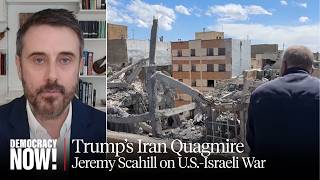
Jeremy Scahill von „Drop Site News“ ist zu Gast bei „Democracy Now!“, um über den Krieg der USA und Israels gegen den Iran zu sprechen – darunter auch über Präsident Donald Trumps Lügen bezüglich der US-Strategie und der Verhandlungen mit dem Iran, mögliche Wege einer Eskalation seitens der USA und darüber, was Scahill in Gesprächen mit iranischen Beamten über die iranische Strategie erfahren hat. „Sie wollen der Weltwirtschaft genug Schaden zufügen … [damit] jede Nation, die daran denkt, den Iran erneut anzugreifen, dies in dem Wissen tut, dass dies die Konsequenzen sind“, erklärt er.


Drop Site News's Jeremy Scahill joins Democracy Now! to discuss the U.S.-Israeli war on Iran, including President Donald Trump's lies about U.S. strategy and negotiations with Iran, possible avenues of U.S. escalation and what Scahill has learned about Iranian strategy in conversations with Iranian officials. "They want to cause enough pain to the world economy … [so] that any nation that thinks of attacking Iran again is going to do so knowing that these are the consequences," he explains.

6:50

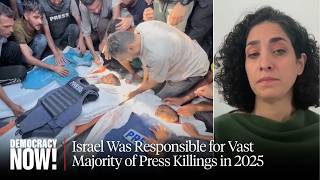
Im Jahr 2025 wurden weltweit 129 Pressemitarbeiter getötet, mehr in einem Jahr als in jedem der drei Jahrzehnte zuvor, für die das Komitee zum Schutz von Journalisten Daten gesammelt hat. Der bisherige Rekord wurde im Jahr 2024 aufgestellt. Sowohl 2024 als auch 2025 war das israelische Militär für zwei Drittel aller Pressemorde verantwortlich. „Dies zeigt das systematische Muster, das Israel anwendet, um die Journalisten zum Schweigen zu bringen, sei es durch Tötung, gezielte Angriffe, Inhaftierung, Einschüchterung oder auch Verunglimpfung“, sagt Sara Qudah, Regionaldirektorin für den Nahen Osten und Nordafrika beim Komitee zum Schutz von Journalisten. CPJ dokumentierte auch die Tötungen von Journalisten in der Ukraine, Mexiko, Jemen und anderen Ländern.


A record 129 press workers were killed worldwide in 2025, more in one year than in any of the previous three decades for which the Committee to Protect Journalists has collected data. The previous record was set in 2024. For both 2024 and 2025, the Israeli military was responsible for two-thirds of all press killings. “This shows the systematic pattern that Israel is using to silence the journalists, whether by killing them, targeting them, imprisoning them, intimidating them, and also smearing them,” says Sara Qudah, Middle East and North Africa regional director at the Committee to Protect Journalists. CPJ also documented the killings of journalists in Ukraine, Mexico, Yemen, and more. 

23:07

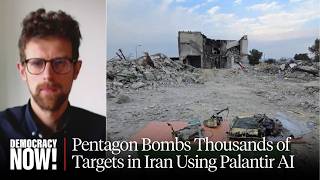
Während der amerikanisch-israelische Krieg gegen den Iran weitergeht, schauen wir uns an, wie das Pentagon bei seinen Operationen künstliche Intelligenz einsetzt. Das als Project Maven bekannte System basiert auf der Technologie von Palantir und integriert auch das von Anthropic erstellte KI-Modell Claude. Israel hat ähnliche KI-Zielprogramme im Iran sowie im Gazastreifen und im Libanon eingesetzt. 

Craig Jones, ein Experte für moderne Kriegsführung, sagt, dass KI-Technologie den Militärs hilft, die „Kill Chain“, den Prozess der Identifizierung, Genehmigung und Bekämpfung von Zielen, zu beschleunigen. „Sie reduzieren die enorme menschliche Arbeitsbelastung von Zehntausenden von Stunden auf Sekunden und Minuten. Sie reduzieren Arbeitsabläufe und automatisieren von Menschen getroffene Targeting-Entscheidungen auf eine Weise, die alle möglichen problematischen rechtlichen, ethischen und politischen Fragen aufwirft“, sagt Jones.


As the U.S.-Israeli war on Iran continues, we look at how the Pentagon is using artificial intelligence in its operations. The system, known as Project Maven, relies on technology by Palantir and also incorporates the AI model Claude built by Anthropic. Israel has used similar AI targeting programs in Iran, as well as in Gaza and Lebanon.

Craig Jones, an expert on modern warfare, says AI technology is helping militaries speed up the “kill chain,” the process of identifying, approving and striking targets. “You’re reducing a massive human workload of tens of thousands of hours into seconds and minutes. You’re reducing workflows, and you’re automating human-made targeting decisions in ways which open up all kinds of problematic legal, ethical and political questions,” says Jones.

5:57

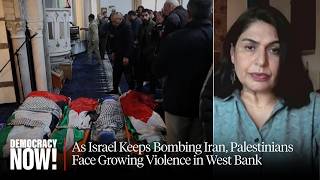
Democracy Now! spricht mit dem iranisch-israelischen politischen Aktivisten Orly Noy über israelische Angriffe auf den Iran und auf Palästinenser im Westjordanland.


Democracy Now! speaks with Iranian Israeli political activist Orly Noy about Israeli attacks on Iran and on Palestinians in the West Bank.

30:33

„How to Hide an Empire: A History of the Greater United States“ (Wie man ein Imperium versteckt: Eine Geschichte der Vereinigten Staaten). So heißt ein neues Buch, das sich mit einem oft übersehenen Teil der USA beschäftigt: den Überseegebieten von Puerto Rico bis Guam, ehemaligen Territorien wie den Philippinen und Hunderten von Militärstützpunkten auf der ganzen Welt.

Wir sprechen mit dem Autor des Buches, Daniel Immerwahr, der schreibt: „Zu verschiedenen Zeiten wurden die Bewohner des US-Imperiums erschossen, beschossen, ausgehungert, interniert, enteignet, gefoltert und für Experimente missbraucht. Was sie im Großen und Ganzen nicht waren, ist sichtbar.“ Immerwahr ist außerordentlicher Professor für Geschichte an der Northwestern University.


“How to Hide an Empire: A History of the Greater United States.” That’s the title of a new book examining a part of the U.S. that is often overlooked: the nation’s overseas territories from Puerto Rico to Guam, former territories like the Philippines, and its hundreds of military bases scattered across the globe. 

We speak with the book’s author, Daniel Immerwahr, who writes, “At various times, the inhabitants of the U.S. Empire have been shot, shelled, starved, interned, dispossessed, tortured and experimented on. What they haven’t been, by and large, is seen.” Immerwahr is an associate professor of history at Northwestern University.

13:03

s the Donald Trump-Elon Musk bromance finally over? President Trump is threatening to cut off billions of dollars in federal contracts with Musk after the two billionaires engaged in a dramatic online feud just days after Musk called Trump's budget bill a "disgusting abomination." Musk appeared to back the impeachment of Trump and claimed the president is named in the Jeffrey Epstein files. "They are people who always have their eye on the bottom line, but they also are, obviously, titanically sized egos," says author Quinn Slobodian, professor of international history at Boston University, who is working on a new book about Elon Musk. "This is just a sign of how dangerous it is to put … the whole future of the American economy and the political scene in the hands of two sole human beings."