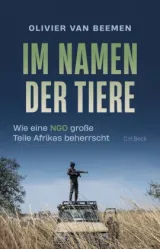
𝗔 𝗕𝗲𝗹𝗴𝗶𝗮𝗻 𝗽𝗿𝗶𝗻𝗰𝗲 𝗶𝘀 𝗿𝘂𝗻𝗻𝗶𝗻𝗴 𝗮 𝗰𝗼𝗻𝘀𝗲𝗿𝘃𝗮𝘁𝗶𝗼𝗻 𝗽𝗿𝗼𝗷𝗲𝗰𝘁 𝗶𝗻 𝘁𝗵𝗲 𝗗𝗲𝗺𝗼𝗰𝗿𝗮𝘁𝗶𝗰 𝗥𝗲𝗽𝘂𝗯𝗹𝗶𝗰 𝗼𝗳 𝗖𝗼𝗻𝗴𝗼 – 𝗳𝗶𝗻𝗮𝗻𝗰𝗲𝗱 𝗯𝘆 𝗺𝗶𝗹𝗹𝗶𝗼𝗻𝘀 𝗶𝗻 𝗘𝗨 𝗳𝘂𝗻𝗱𝗶𝗻𝗴. Virunga National Park was meant to be a model for green development, protecting nature, and supporting local communities. Instead, it became a stage for armed conflict, broken promises, and even Bitcoin mining in the rainforest. Journalist Olivier van Beemen reveals how more than 150 million euros in European aid ended up powering a failed conservation project. Despite this, the Congolese government and the EU have given the prince's foundation approval to manage a stretch of land that covers almost a quarter of the country.
- 00:00 – Controversy over Africa's national parks
- 02:30 – Inside Olivier's investigation for Follow the Money
- 03:30 – Where is Virunga National Park?
- 04:40 – Violence in Virunga
- 06:24 – Controversial poaching practices
- 07:45 – Luxury tourism and scandals in Virunga
- 10:38 – The Belgian prince tied to Virunga
- 12:05 – Belgian colonial ties in Congo
- 13:19 – Where EU money comes in – and the Bitcoin connection
- 15:28 – A failed “green energy” project and other promises
- 19:02 – What the EU says
- 19:46 – The ethics problem with Bitcoin mining
- 21:49 – Local impact
- 23:25 – Future plans and more EU money in Congo